

On Tuesday, the word “phonographic” trended in Kenya for all the wrong reasons. But the confusion masked a genuinely big story, one with real consequences for how Kenyan musicians get paid.
The International Federation of the Phonographic Industry (IFPI) , “phonographic” simply meaning sound recording, a nod to the old phonograph record player , is the global trade body representing the world’s record labels, from majors like Sony, Universal, and Warner to independents, across more than 70 countries.
It sets the industry’s policy agenda: copyright protection, fair licensing, anti-piracy enforcement, and increasingly, rules for how artificial intelligence interacts with music. When its Chief Executive travels somewhere, it is rarely a courtesy call, it is a signal of where the industry sees its next major market.
That signal landed in Nairobi this week. Victoria Oakley’s visit — her first to Africa since taking over as CEO, arrives alongside news that Sony Music, Universal Music Group, and Warner Music Group have all agreed to establish a presence in Kenya. It comes against the backdrop of a region growing faster than almost anywhere else in the global music business.
Sub-Saharan Africa’s recorded music revenue grew 15.2% in 2025, even as the region still captures only a sliver of the industry’s $31.7 billion in global revenue. That gap , enormous cultural reach, modest commercial return — is exactly what IFPI and the labels are now trying to close. Kenya is being positioned as the entry point.
So who actually benefits, and how? For Kenyan artists, the pitch centres on getting paid properly , stronger copyright enforcement and streaming royalty frameworks designed to ensure musicians see real income from global platforms, not just viral exposure. For workers outside the studio, major labels setting up local offices could mean actual jobs in production, marketing, legal, and artist management. For the country more broadly, officials are pushing to have music recognised as a strategic economic sector alongside tourism and manufacturing, a status that could eventually unlock the kind of state investment those industries already enjoy.

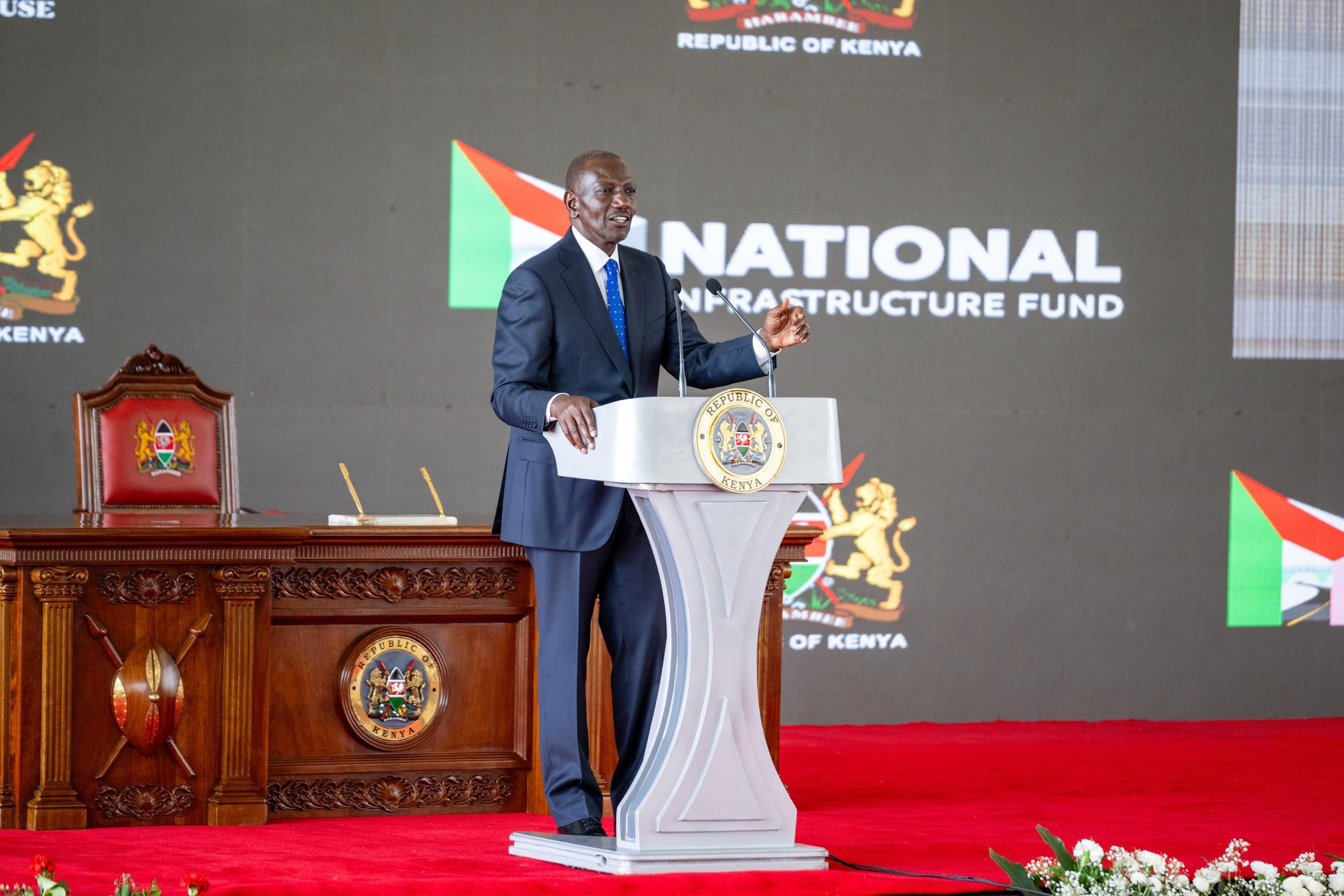
Victoria Oakley touched down in Nairobi on Monday for a two-day visit, meeting President William Ruto at State House. There, he welcomed the labels’ commitment to Nairobi as a “significant vote of confidence” in Kenya’s creative talent and reform agenda. “I’m encouraged by the shared commitment to strengthening Kenya’s creative economy and positioning Nairobi as Africa’s next major hub for the recorded music industry,” Ruto said, adding that the industry must now move to implementation , building an environment “where artistes, producers, publishers and investors can thrive together.”
Oakley described the moment as unprecedented for African music. “African music is enjoying an unprecedented global moment, captivating audiences worldwide,” she said. “However, turning creative success into sustainable careers and economic prosperity requires robust copyright protection, balanced policy frameworks, and strategic investment. Kenya has all the ingredients to become a major music hub, and IFPI is committed to partnering with local creators, industry stakeholders, and leaders to unleash this full potential.”

Kenya has heard versions of this pitch before. Previous promises of “creative economy hubs” and major foreign investment have not always translated into royalties artists can actually see in their bank accounts. What’s different this time, industry watchers say, is the direct involvement of the labels themselves rather than just policy statements , though that distinction will only mean something once contracts are signed and payments start moving.
The real test comes in the next few months: whether Sony, Universal, and Warner open actual Nairobi offices with local hires, whether copyright enforcement translates into artists getting paid for streams and AI use, and whether government follows through on treating music as a serious economic sector rather than a talking point. Until then, Tuesday’s headlines are a promise , not yet a payout.


Leave a Reply